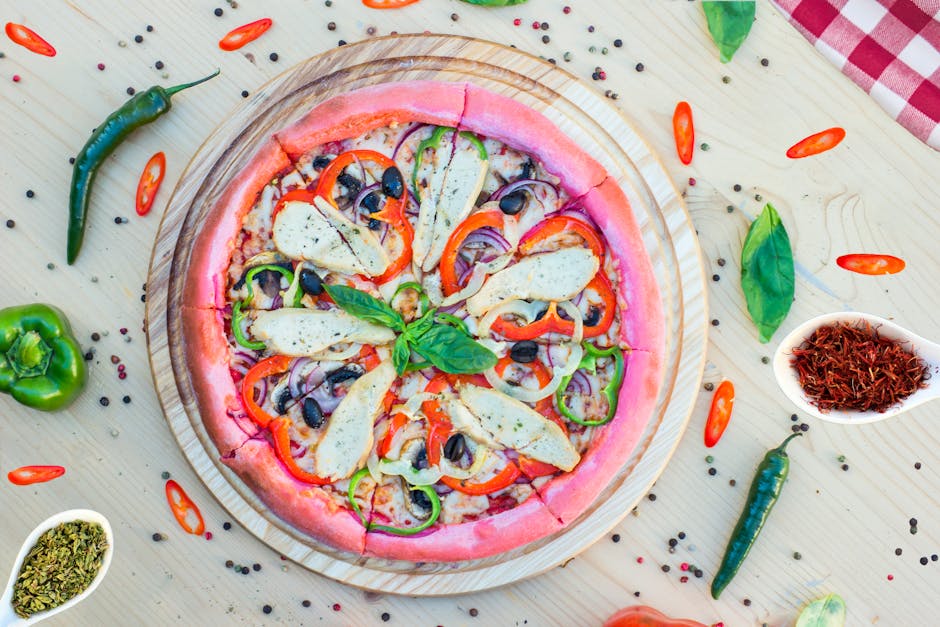
Here is your rewritten text, infused with the passion and precision of an artisanal baker and food stylist.
The Baker’s Palette: A Study in Botanical Color
For too long, I have witnessed the craft of baking approach natural color as a guessing game—a single ingredient tossed into the mix with a prayer. We must elevate our artistry. Within my studio, what others call 'ingredients' I consider my pigments. Each botanical possesses a unique spirit, a distinct stability, and a world of expressive potential. Let us begin to compose our palette.
Our Foundational Hues: The Character of Each Botanical Source
True mastery begins with an intimate knowledge of your primary colors. Every source is a different note on the chromatic scale, a unique starting point for our creations.
- The Assertive Magenta (Beetroot): For an undeniable, deeply saturated magenta, we turn to the beet. Its pigment, betalain, is a commanding force in the botanical world—vibrant and remarkably stable in shifting pH, unlike its flighty berry cousins. Its tell-tale earthy soul, however, is a characteristic we must learn to tame. An Artist’s Method: To coax out its pure chroma while quieting its earthy voice, finely shred a raw beet and allow it to steep in a scant measure of simple syrup. After an hour, this infusion, once strained, yields a jewel-toned liquid with its flavor profile beautifully subdued. When working with baked goods, a superior quality, freeze-dried beet powder is your non-negotiable ally, offering the most potent color with the quietest flavor.
- The Volatile Beauties (Berries): Within raspberries, strawberries, and cranberries lies the magic of anthocyanins—the most responsive and ephemeral pigments in our pantry. These are not static hues but living colors, dynamic spirits that dance and transform with the slightest change in their environment. A lone raspberry purée may present as a bashful mauve, yet it holds the latent promise of a brilliant, sun-kissed coral or a profound magenta.
- The Finishing Tints (Florals & Roots): Consider these your rare, specialized pigments for adding that final, masterful touch. The dust of freeze-dried hibiscus delivers an electric fuchsia symphony with a tart counterpoint. Rose petal powder offers not a shout of color, but a whisper of antique blush, more a fragrant memory than a bold statement. And then there is the radish, our clandestine marvel. When juiced and gently reduced, it gifts us a clean, surprisingly heat-tolerant pink with virtually no flavor interference, making it a silent workhorse for our baked creations.
The Alchemist's Touch: Sculpting Color with pH
Herein lies the secret that transforms a baker into a confectionary artist. All anthocyanin-based pigments, drawn from berries, are nature's own litmus paper. In an acidic environment, they sing in notes of red; in an alkaline one, they shift their tune towards violet and even teal. This is not a flaw to be feared, but a dial to be controlled.
Think of acidity as your spotlight and alkalinity as your softening veil. A mere whisper of lemon juice or a sparkle of citric acid will awaken a strawberry purée, turning its gentle blush into a luminous, radiant coral. This isn't just about taste; it is chromatic amplification. Conversely, should you desire a more muted, lavender-kissed hue, you might marry blueberry powder (another anthocyanin) with a micro-pinch of baking soda. By gently coaxing the pH upwards, you can mute the sharp pinks and unveil delicate violet undertones. You are no longer accepting a color; you are composing it.
The Art of the Blend: Composing Nuanced Palettes
Never be content with a single-note color. The soul of artistry is discovered in the symphony of the blend, where we layer pigments to create shades of unique complexity.
- To Conjure a 'Dusty Rose' Macaron Shell: Begin with the gentle, blushing foundation of a mild pitaya (dragon fruit) powder; a full measure of raspberry would be far too aggressive. To this, introduce a fractional amount of freeze-dried cranberry powder. The cranberry’s quiet acidity brightens the pitaya’s softness, while its own muted red pigment lends a sophisticated, dusky depth that pitaya alone could never dream of achieving.
- To Paint a 'Sunset Coral' Buttercream: The vibrant heart of this color is a rich strawberry reduction. To achieve that warm, orange-leaning glow of true coral, we introduce a sun-kissed whisper of turmeric powder. It's just enough for its golden pigment to pull the strawberry's red into an entirely new dimension, without ever announcing its flavor. Deploying beet powder here would be a chromatic tragedy, creating a dissonant, muddy quarrel of tones.
This is how we move beyond the predictable. By mastering the personality of each pigment, the subtle science of pH, and the delicate art of the blend, we are no longer just bakers. We are painters, and our canvas is edible.
Here is the rewritten text, crafted in the persona of an artisanal baker and food stylist.
More Than Mere Adornment: The Heartbeat of Edible Creation
A commitment to a more profound, soulful approach to our craft is precisely why we sidestep the easy path of a Red No. 40 shortcut. To embark on the quest for the perfect, nature-derived shade is to answer a calling. We aren't simply adding flourish; we are culinary storytellers, and for us, every single ingredient must possess both purpose and truth.
A Symphony of the Senses, A Duet of Taste and Tone
Imagine a harmony so perfect that color and flavor are inseparable. A fuchsia glaze, infused with hibiscus, doesn't just look vibrant; it sings on the palate with a delicate, floral tang. The blush of a strawberry-rose panna cotta carries the authentic whisper of a sun-drenched garden on the breeze. Herein lies the soul of our work: creating a multi-sensory narrative. The hue becomes an honest preview of the taste to come, an authentic duet that synthetic colorants, with their hollow promises and silent flavors, can only ever dream of performing. One resonates like a beautiful, swelling chord; the other is merely static.
The Canvas Awaits Its Narrative
Our philosophy is baked right into our palette. To rely on a single, aggressive beet powder is to approach your art like a writer with just one blunt crayon—you can make a statement, but you can never draft a nuanced poem or sketch a delicate portrait. True expression unfolds when you curate a library of subtle pigments. By mastering the alchemy of how pH shifts and awakens different hues, you grant yourself the full studio of a master painter. With these tools, your expression becomes deliberate. That tender blush brushed onto a wedding cake is no longer just ‘pink’; it is a carefully composed whisper of romance. That electrifying magenta bursting from a celebration dessert is not merely ‘bright’; it is an unbridled exclamation of joy. Suddenly, simple flour and sugar are transformed, becoming a canvas upon which you tell delicious stories.
The Alchemy of Confidence and Consistency
Ultimately, this deep knowledge is what transforms chance into artistry. It is the command over our craft that allows us to navigate the often-temperamental nature of baking with unwavering confidence. Guesswork is replaced by a dependable, repeatable magic. You begin to intuitively grasp why the ephemeral tint of raspberry, perfect for a delicate, low-heat meringue, would fade into a ghostly memory within a baked cookie's crumb. With this wisdom, you’ll reach for a robust radish or beet pigment for your red velvet, knowing its glorious crimson will emerge triumphant from the crucible of the oven. This command over your medium is the very foundation of a signature style, empowering you to compose stunning, stable, and deeply delicious works of art that are an unmistakable reflection of you.